Barrier
Why your skin barrier matters
The outer 0.02mm of your skin decides how everything else behaves. Here's what it does and how it breaks.
01
What the barrier is
The outermost layer of your skin, the stratum corneum, is only a few hundredths of a millimetre thick. It is often described as bricks and mortar: flattened skin cells are the bricks, and a mix of lipids, including ceramides, cholesterol and fatty acids, is the mortar holding them together.
Its job is two-sided. It keeps water in, and it keeps irritants, allergens and microbes out. When it works well you barely notice it. When it doesn't, almost everything else about your skin gets harder.
02
How it gets compromised
A barrier doesn't usually fail because of one thing. It wears down through a pile-up of small ones: cleansers that strip more than they need to, frequent exfoliation, layering several strong actives, very dry air, and too much sun.
Skin that stings when you apply products that used to be fine, feels tight after washing, looks flaky, or reacts to things it never reacted to before is often telling you the barrier is under strain. These signs can also have other causes, so persistent or painful symptoms are worth showing to a doctor or dermatologist.
03
What tends to help
Most of the advice is subtractive. Use a gentle cleanser that doesn't leave skin squeaky. Pause exfoliating acids and retinoids if skin is irritated, and reintroduce them slowly. Wear sunscreen in the morning.
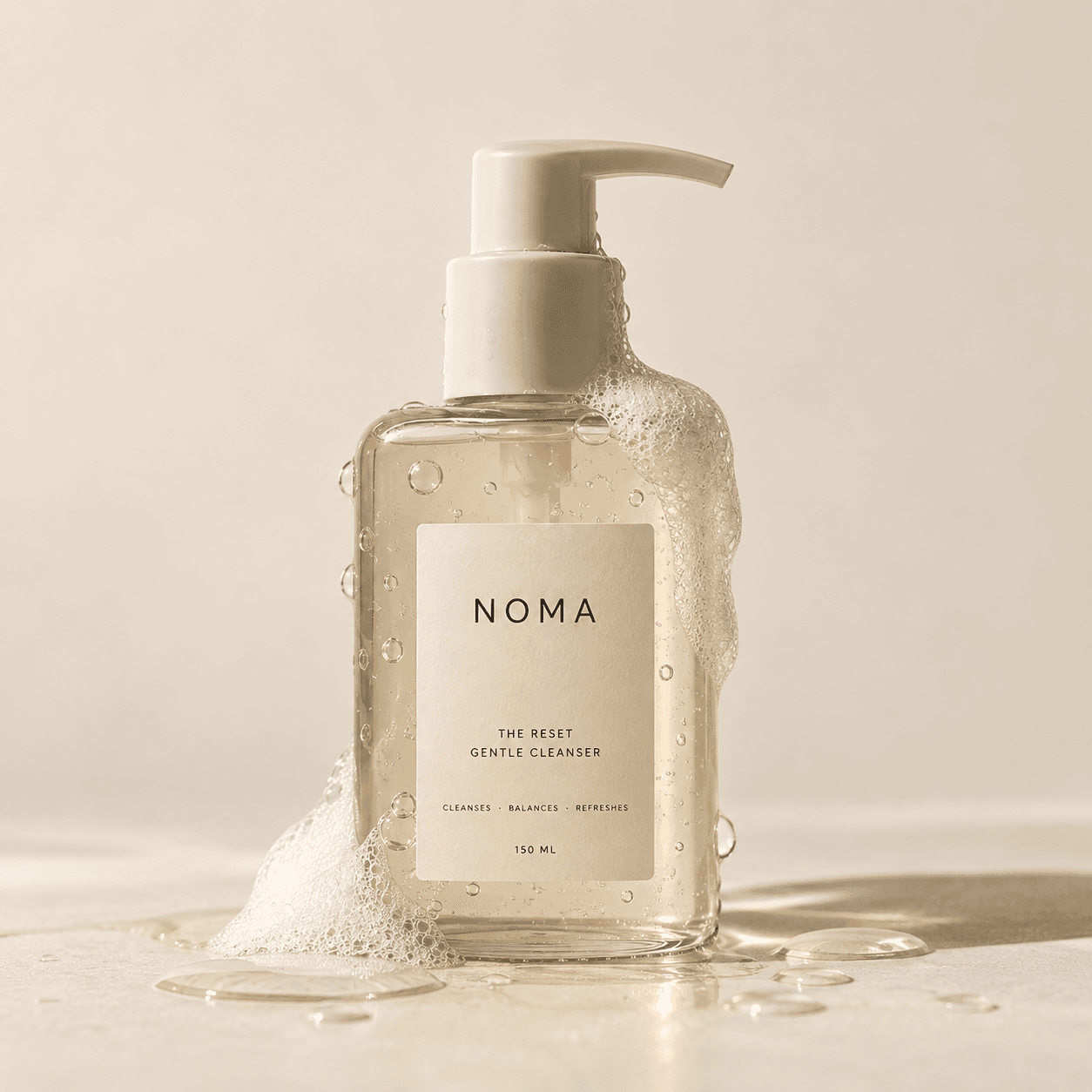
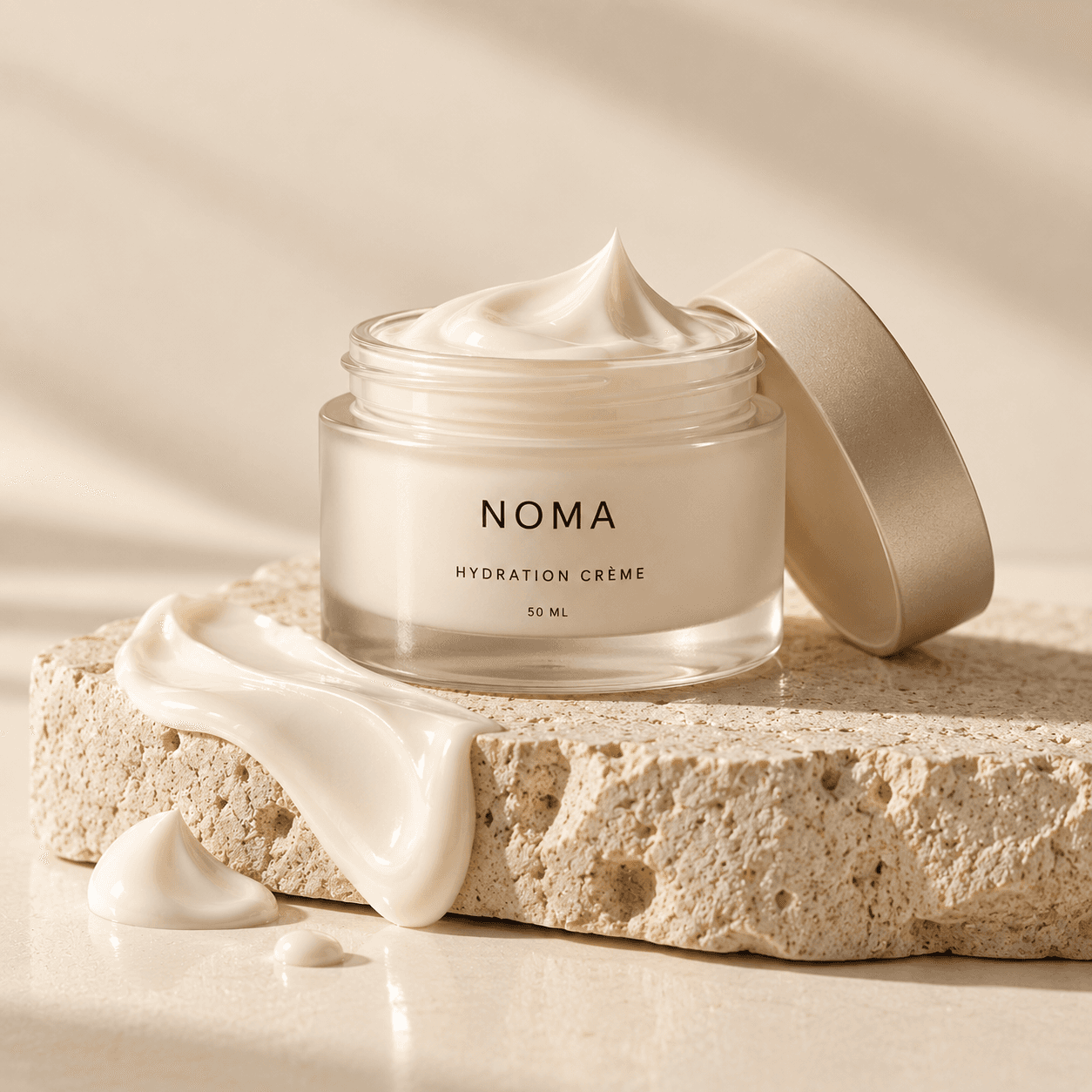
Then support the barrier with ingredients that work at the level of the wall itself: ceramides to replace lipids, humectants such as glycerin and panthenol to hold water, and an emollient to seal it in. That is the logic behind pairing The Reset with The Seal, and it is why neither contains anything that is there for show.
04
How long it takes
Skin renews its surface over roughly a month, and the pace varies with age and condition. A barrier that has been under strain for months won't settle in a week. Keep the routine steady for several weeks before judging it, and change one thing at a time. Individual results vary.
This article is general information, not medical advice. If your skin is painful, persistently irritated or changing, speak to a doctor or dermatologist.